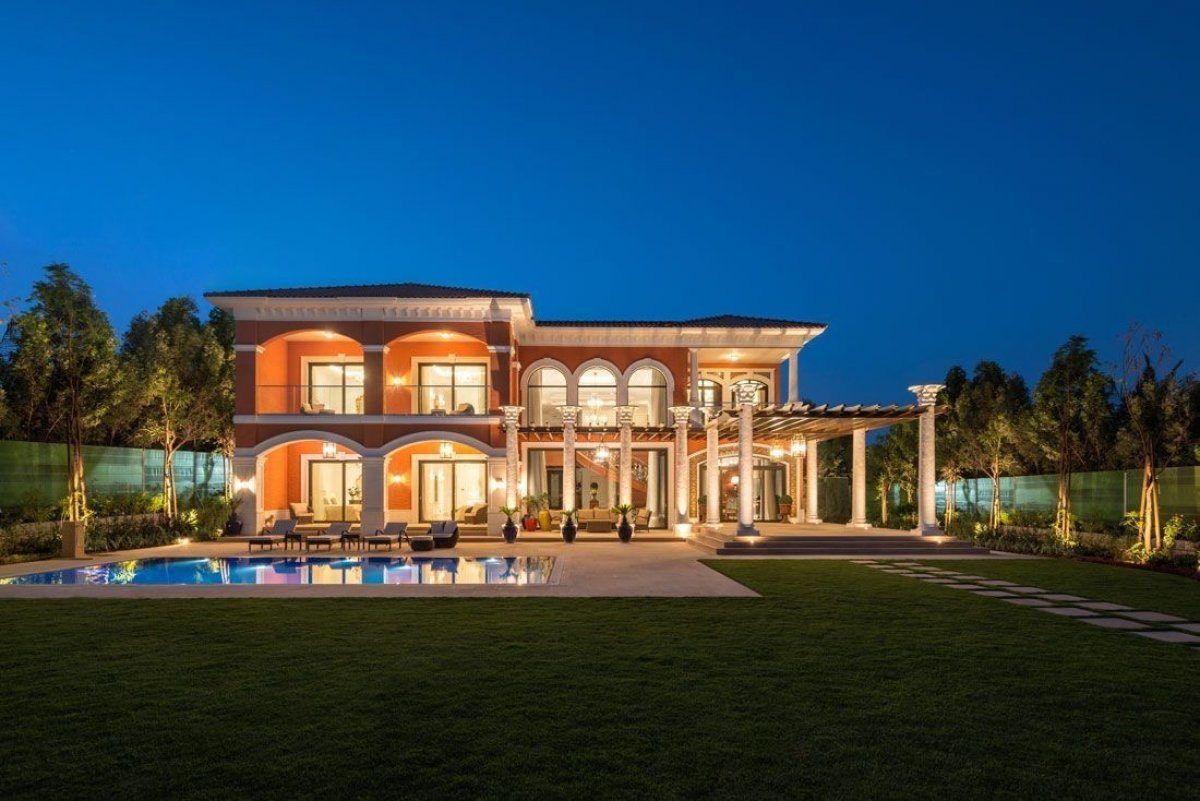
A pool surround does more than frame the water. It shapes how the space feels underfoot, how safely people move through it, and how well the entire outdoor area ages over time. In a climate like Dubai’s, where intense sun, surface heat, moisture, chemicals, and regular barefoot use all meet in one place, poor finishes show their weakness quickly. That is why pool area resurfacing should never be treated as a simple cosmetic upgrade. Done well, it is a careful balance of preparation, material judgment, drainage awareness, and finish quality.
This practical case study looks at the method Resin Pro applies to pool surrounds rather than presenting a single private project in isolation. The value lies in the approach itself: diagnosing the existing surface properly, selecting a finish that suits real use, and carrying the work through with discipline. For property owners, that is often the difference between a surface that looks refreshed for a season and one that continues to perform with confidence.
Why Pool Area Resurfacing Demands a Higher Standard
Poolside surfaces have a unique job. They must withstand water exposure without becoming hazardous, remain visually calm in strong daylight, and stay comfortable enough for bare feet. They also need to connect cleanly with coping, drainage points, planting edges, and adjacent terraces. A finish that works well on a driveway or standard patio will not always be the right answer around a swimming pool.
For homeowners considering pool area resurfacing, the most important question is not which finish appears attractive in a brochure. It is whether the chosen system suits the substrate below, the pool environment around it, and the maintenance expectations after handover. That is where experienced specification matters.
- Slip resistance: especially important where water regularly splashes beyond the pool edge.
- Thermal comfort: darker or overly dense finishes can become uncomfortable in direct sun.
- Drainage performance: resurfacing must respect existing falls and avoid creating standing water.
- Substrate stability: cracks, hollow spots, and movement must be addressed before any decorative layer is applied.
- Visual integration: the new surface should complement the pool design, not compete with it.
In other words, the resurfacing decision is both technical and aesthetic. A premium result depends on getting both right at the same time.
The Resin Pro Case-Study Method: Assess First, Specify Second
Resin Pro is known in the local market for exterior surfacing work, including Resin Driveway Installation Dubai projects, and that background is relevant here. Good outdoor surfacing relies on many of the same principles regardless of the setting: stable preparation, climate-aware product choice, and attention to edges, levels, and wear patterns. Around pools, those standards simply become more exacting.
The company’s practical method begins with the existing condition of the site, not with a predetermined finish. That means looking closely at what is already there and deciding whether it can be resurfaced directly, needs partial repair, or calls for more extensive correction before any new layer is considered.
| Stage | What is reviewed | Why it matters |
|---|---|---|
| Site inspection | Cracking, delamination, uneven levels, drainage paths, coping details | Prevents decorative work from being laid over structural or moisture-related defects |
| Surface preparation plan | Cleaning method, repairs, priming needs, edge treatment | Creates a sound bond and a cleaner final appearance |
| Finish selection | Texture, tone, UV suitability, slip characteristics, surrounding design | Aligns performance with how the pool area is actually used |
| Installation sequencing | Weather timing, curing windows, access management, final checks | Protects the finish during the most vulnerable part of the process |
This sequencing is important because many resurfacing failures begin before installation appears to start. Dirt trapped in the substrate, poorly treated cracks, rushed moisture control, and ignored level changes may all remain hidden at first. A surface can look clean on day one and still disappoint later if the groundwork was weak.
That is why a method-based contractor tends to ask practical questions early:
- Where does water collect after heavy use or cleaning?
- Are there existing movement lines or repaired cracks that need to be respected?
- How much direct sun does the area receive during peak hours?
- Is the surface used mostly by adults, children, guests, or frequent entertaining groups?
These details influence finish, texture, and installation planning far more than style trends alone.
Choosing a Finish That Performs in Real Use
Once the site condition is understood, the next decision is material suitability. Around a pool, the right finish should feel purposeful rather than merely decorative. Texture must be controlled enough for safe movement yet refined enough to avoid looking coarse. Colour should reduce glare and fit the broader landscape palette. Just as importantly, the surface should not appear visually heavy next to water, stone coping, or soft planting.
Resin-based surfacing is often attractive in this context because it can deliver a seamless, contemporary look while allowing careful control over texture and finish character. But premium specification still depends on nuance. Aggregate choice, binder quality, edge detailing, and substrate compatibility all shape the final result. There is no single universal formula for every pool surround.
On a well-handled project, selection usually follows a simple principle: performance first, appearance second, and both must work together. That might mean avoiding a finish that is too smooth near active family pools, or rejecting a visually striking tone that would become uncomfortably hot or harsh in full sun. It may also mean refining transitions between the pool deck and adjacent paths so the resurfaced area feels integrated rather than patched in.
Some of the most important finish decisions include:
- Texture balance: secure underfoot without becoming abrasive.
- Colour temperature: tones that remain elegant and practical in strong light.
- Edge definition: clean termination points around drains, steps, planters, and coping lines.
- Visual scale: a finish that suits the size of the pool area and the architecture around it.
When these choices are made well, resurfacing improves not only the condition of the space but also the way it reads as part of the home.
Installation Discipline Is What Protects the Result
The installation phase is where many resurfacing projects either earn their longevity or compromise it. A premium-looking sample board cannot compensate for rushed preparation or loose site control. Resin Pro’s approach, viewed through a case-study lens, is strongest when it treats execution as a craft process rather than a quick overlay.
In practice, that usually means a clear sequence:
- Thorough cleaning and removal of contaminants so the new system is not bonded over dust, residue, or unstable material.
- Repair of cracks, damaged sections, and weak spots before the finish layer is applied.
- Preparation of edges and transitions to ensure the resurfaced area looks intentional and finished.
- Controlled application and curing so the surface develops evenly and is not disturbed too early.
- Final inspection for consistency, slip-friendly texture, drainage flow, and visual neatness.
This sounds straightforward, but consistency is the real skill. Uniform texture, tidy boundaries, and correct curing conditions are what give a resurfaced pool area its calm, premium appearance. Without that discipline, even a good material can look uneven or wear inconsistently.
It is also worth noting that pool surrounds must be judged at walking distance, not from across the garden. Feet, not just eyes, experience the quality every day. That is why tactile comfort, edge neatness, and drainage response matter just as much as colour and style.
Aftercare and Long-Term Value
Well-executed pool area resurfacing should reduce maintenance headaches, not create new ones. But no exterior surface stays at its best through installation quality alone. Owners still need a sensible care routine, especially in environments where dust, sunscreen, pool chemicals, moisture, and heat are all part of normal use.
Good aftercare is usually simple:
- Keep the surface free from debris and standing dirt.
- Rinse and clean according to the installer’s guidance, using suitable products.
- Watch for early signs of movement at joints, edges, or previously repaired areas.
- Address minor issues promptly before they spread or become visually disruptive.
- Review drainage performance after heavy cleaning or periods of frequent use.
The long-term value of resurfacing comes from how well it stabilises the experience of the space. A good pool surround feels safer, looks cleaner, and makes the outdoor area more coherent. It also avoids the stop-start cycle of repeated cosmetic patching that often costs more over time, both visually and practically.
For that reason, the strongest resurfacing projects are not always the most dramatic. They are the ones that continue to look settled, balanced, and fit for purpose months later, after sun, traffic, and water have had time to test them.
Conclusion: Pool Area Resurfacing Should Feel Resolved
The clearest lesson from Resin Pro’s approach is that quality pool area resurfacing begins long before the new finish is visible. It starts with diagnosis, continues through disciplined specification, and succeeds through careful execution. Around a pool, where comfort, safety, and appearance all matter at once, that method is more important than any single material trend.
For homeowners and property managers, the real benchmark is simple: the resurfaced area should feel resolved, not merely covered. It should make the pool space safer to use, more pleasant to walk on, and more visually complete within the wider outdoor setting. When those outcomes come together, pool area resurfacing becomes a meaningful upgrade rather than a short-term refresh, and that is precisely where an experienced, detail-led contractor like Resin Pro adds value.
——————-
Discover more on pool area resurfacing contact us anytime:
resinprodxb.com
resinprodxb.com
Dubai (Academic City) – Dubai, United Arab Emirates
Discover expert landscape maintenance Dubai services. Creating Surfaces That Last with top-notch landscape maintenance Dubai solutions.